



PRMT5
Protein arginine methyltransferase 5 (PRMT5) is a type II arginine methyltransferase that catalyzes symmetric dimethylation of arginine residues on histone and non-histone substrates, thereby regulating chromatin organization, transcriptional control, and cellular development[1][2]. PRMT5 functions as a major epigenetic regulator through symmetric methylation marks such as H3R8me2s and H4R3me2s, which influence gene expression programs and growth-regulatory pathways[1][3]. Mechanistically, PRMT5 plays a central role in RNA processing and alternative splicing, and has been identified as a master regulator of mammalian splicing networks, linking arginine methylation to transcriptome regulation[4][5]. Therefore, PRMT5 integrates transcriptional and post-transcriptional regulation to control cell proliferation, differentiation, survival, and genome maintenance[1][5]. In disease settings, PRMT5 is frequently overexpressed or hyperactivated in multiple cancers, where it supports tumor cell growth, metastasis, and therapeutic resistance through regulation of oncogenic signaling, transcription, and RNA metabolism[2][5][6]. Compared with related isoforms, PRMT5 belongs to the type II PRMT family and primarily generates symmetric dimethylarginine, whereas PRMT1 is the major type I enzyme responsible for asymmetric dimethylarginine formation, highlighting distinct but partially overlapping biological functions[3][7]. For experimental applications, PRMT5 has emerged as a therapeutic target, and pharmacological inhibition disrupts methyltransferase-dependent signaling and splicing pathways; recent MTA-cooperative inhibitors further exploit vulnerabilities in MTAP-deleted tumors[5][6]. These characteristics make PRMT5 an important model for studying epigenetic regulation, RNA splicing, and targeted cancer therapy[1][4][6].
References:
- [1]. Stopa N, et al. The PRMT5 arginine methyltransferase: many roles in development, cancer and beyond. Cell Mol Life Sci. 2015 Jun;72(11):2041-59. [Content Brief]
- [2]. Lee J, et al. Targeting PRMT5 in cancer: Mechanistic insights and clinical progress. Biomed Pharmacother. 2025 Dec;193:118754. [Content Brief]
- [3]. Shailesh H, et al. Protein arginine methyltransferase 5 (PRMT5) dysregulation in cancer. Oncotarget. 2018 Nov 30;9(94):36705-36718. [Content Brief]
- [4]. Bezzi M, et al. Regulation of constitutive and alternative splicing by PRMT5 reveals a role for Mdm4 pre-mRNA in sensing defects in the spliceosomal machinery. Genes Dev. 2013 Sep 1;27(17):1903-16. [Content Brief]
- [5]. Kim H, et al. PRMT5 function and targeting in cancer. Cell Stress. 2020 Jul;4(8):199-215. [Content Brief]
- [6]. Hwang JW, et al. Protein arginine methyltransferases: promising targets for cancer therapy. Exp Mol Med. 2021 May;53(5):788-808. [Content Brief]
- [7]. Gao G, et al. PRMT1 loss sensitizes cells to PRMT5 inhibition. Nucleic Acids Res. 2019 Jun 4;47(10):5038-5048. [Content Brief]
-
PRMT5 Related Products (64)
Related Products (64)

-
Pemrametostat
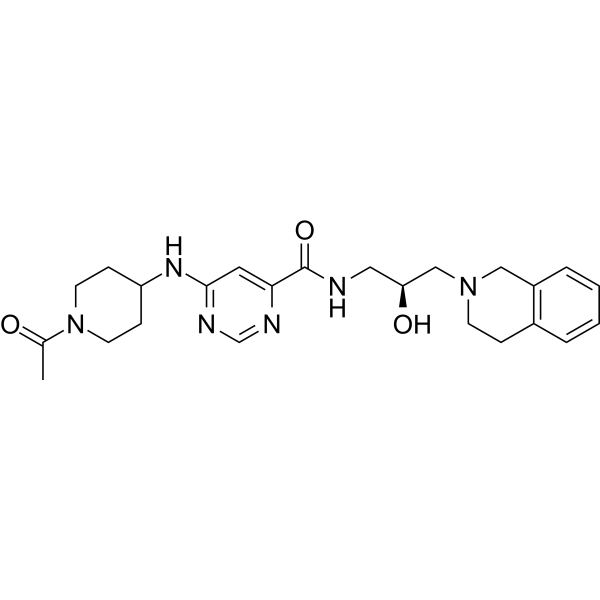 0 ImagesSynonyms: GSK3326595; EPZ015938GSK3326595 is a protein arginine methyltransferase 5 (PRMT5) inhibitor. GSK3326595 decreases SARS-CoV-2 infection, inhibits cancer cell proliferation and induces pro-inflammatory macrophage polarization and increases hepatic triglyceride levels without affecting atherosclerosis. GSK3326595 can be used for research of relapsed/refractory mantle cell lymphoma.
-
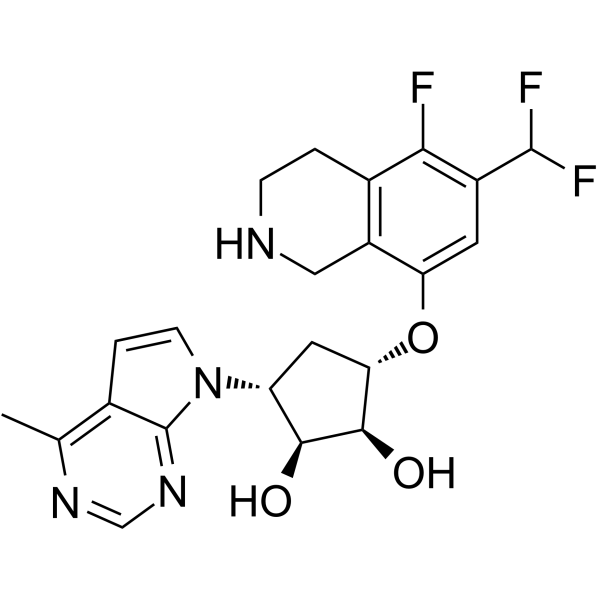
Navlimetostat
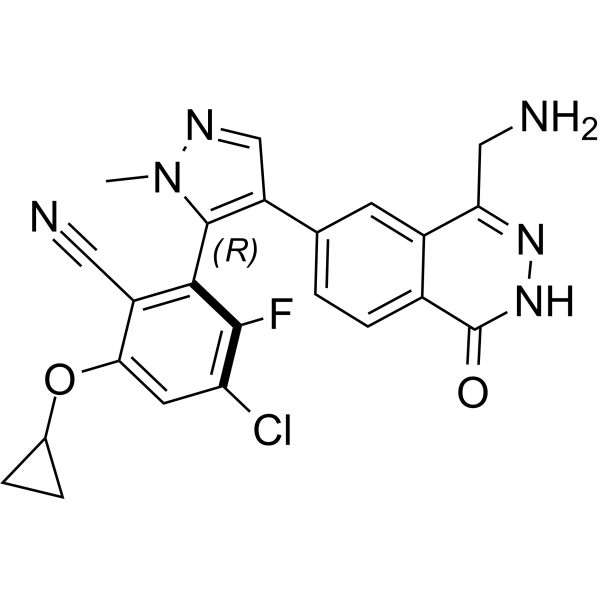 0 ImagesSynonyms: MRTX-1719; BMS-986504Navlimetostat is a potent, orally active, selective PRMT5-MTA complex inhibitor, with IC50 of 3.6 and 20.5 nM for PRMT5-MTA and PRMT5. Navlimetostat binds to the PRMT5-MTA complex, with KD value of 0.14 pM. Navlimetostat shows antineoplastic activity in vitro and in vivo, and can be used for cancer study.
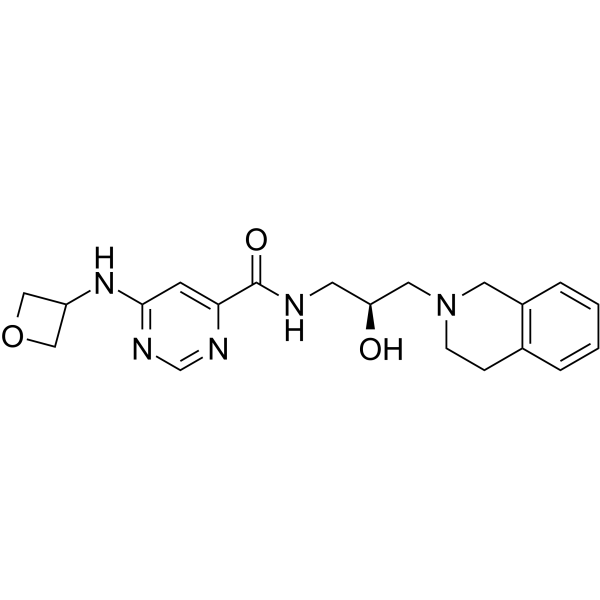
-
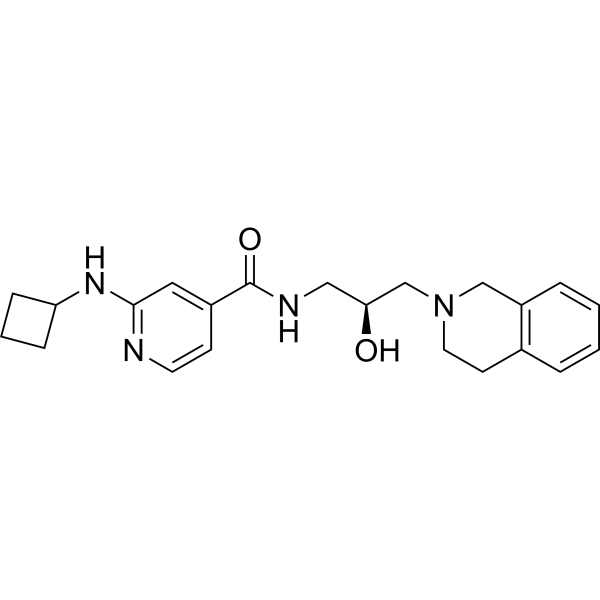
Onametostat
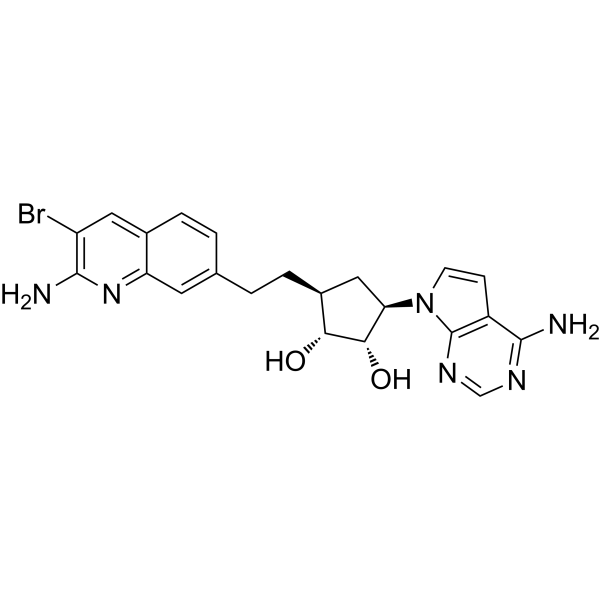 0 ImagesSynonyms: JNJ-64619178Onametostat (JNJ-64619178) is a selective, orally active and pseudo-irreversible protein arginine methyltransferase 5 (PRMT5) inhibitor with an IC50 of 0.14 nM. Onametostat has potent activity in lung cancer.
-
YZ-836P
 0 ImagesCat. No.: HY-182820CAS No.: 3086041-35-9YZ-836P is a Protein arginine methyltransferase 5 (PRMT5) targeting agent. YZ-836P promotes ubiquitination and proteasomal degradation of PRMT5 in a cereblon (CRBN)-dependent manner, which in turn reduces levels of its downstream target KLF5. YZ-836P induces G1 phase cell cycle arrest in triple-negative breast cancer cells. YZ-836P induces Apoptosis in triple-negative breast cancer cells. YZ-836P exerts cytotoxic effects on triple-negative breast cancer cells. YZ-836P inhibits the growth of triple-negative breast cancer patient-derived organoids. YZ-836P inhibits the growth of triple-negative breast cancer xenografts in nude mice. YZ-836P can be used for the research of triple-negative breast cancer.
-
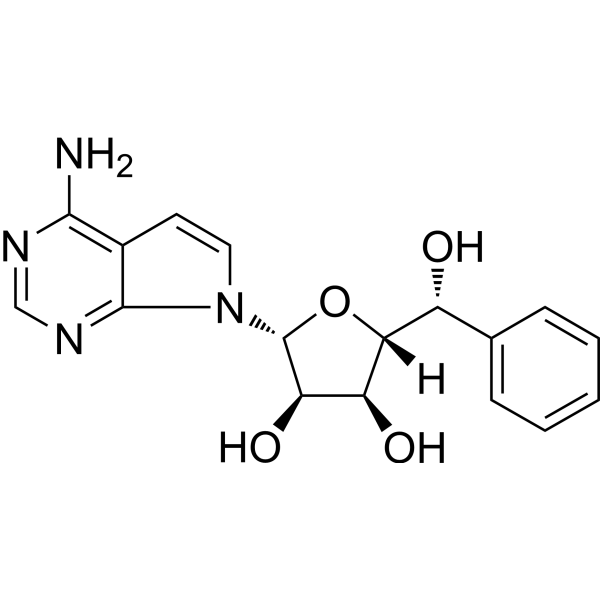
MC4491
 0 ImagesCat. No.: HY-182892MC4491 is a selective LSD1/PRMT5 inhibitor, with an IC50 of 0.152 μM against the LSD1/CoREST complex and an IC50 of 0.043 μM against the PRMT5/MEP50 complex. MC4491 induces transcriptomic changes and splicing alterations in AML cells. MC4491 is applicable for the research of acute myeloid leukemia.
-
Ralometostat
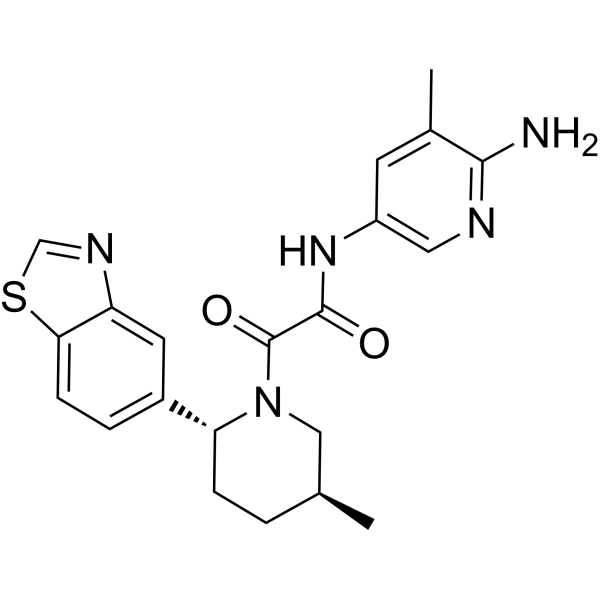 0 ImagesSynonyms: TNG908
-
MS4322
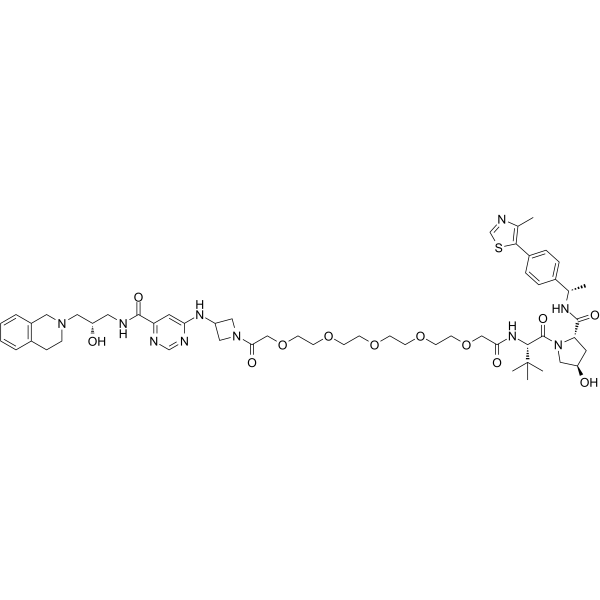 0 ImagesSynonyms: YS43-22MS4322 (YS43-22) is a specific PRMT5 PROTAC degrader. MS4322 reduces the PRMT5 protein level with a DC50 of 1.1 μM in MCF-7 cells. MS4322 inhibits the methyltransferase activity of PRMT5 with an IC50 of 18 nM. MS4322 promotes ubiquitination and degradation of PRMT5. MS4322 can be used for the research of breast cancer, lung cancer, and hepatocellular cancer. (Pink: PRMT5 ligand (HY-173092); Blue: E3 ligase ligand HY-112078); Black: linker (HY-124780); E3+linker (HY-173093 )).
-
DS-437
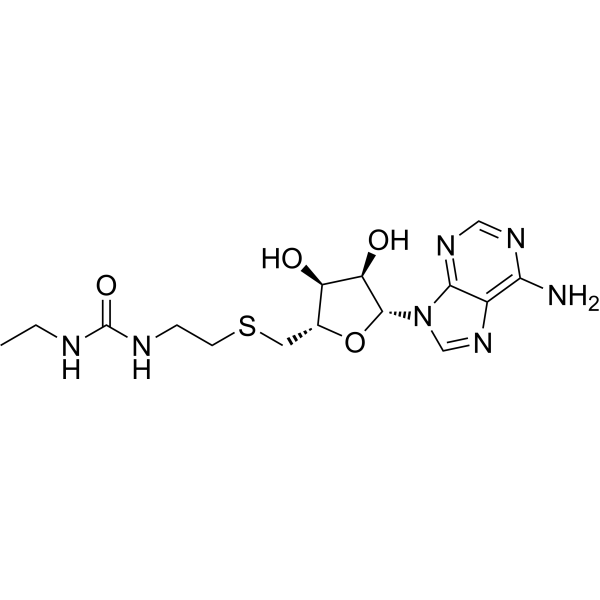 0 ImagesDS-437 is a dual PRMT5/7 inhibitor (IC50s of PRMT5/7=6 μM). DS-437 is selective for PRMT5 and PRMT7 over 29 other human protein-, DNA-, and RNA-methyltransferases. DS-437 is a S-adenosylmethionine (SAM)-competitive inhibitor of PRMT5. DS-437 also inhibits DNMT3A and DNMT3B, with IC50s of 52 and 62 μM, respectively. DS-437 inhibits the methylation of FOXP3.
-
MRTX9768
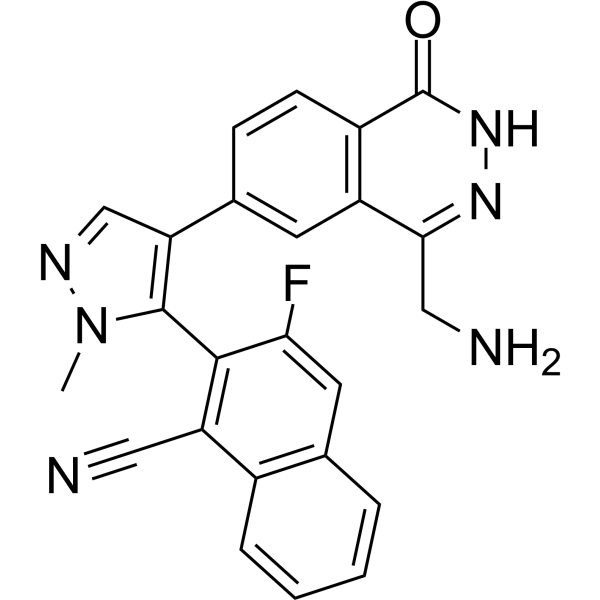 0 ImagesMRTX9768 is a potent, selective, orally active, first-in-class PRMT5-MTA complex inhibitor.
-
Navlimetostat hydrochloride
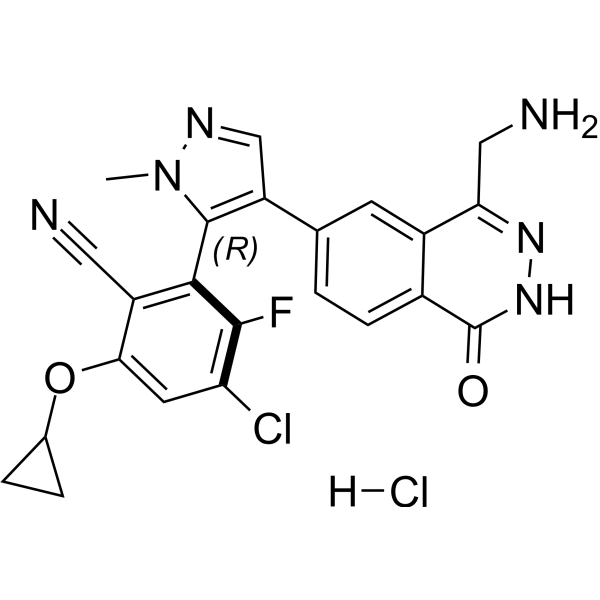 0 ImagesCat. No.: HY-139611CPurity: 99.61%Synonyms: MRTX-1719 hydrochloride; BMS-986504 hydrochlorideNavlimetostat hydrochloride is a potent, orally active, selective PRMT5-MTA complex inhibitor, with IC50s of 3.6 and 20.5 nM for PRMT5-MTA and PRMT5. Navlimetostat hydrochloride binds to the PRMT5-MTA complex, with KD value of 0.14 pM. Navlimetostat shows antineoplastic activity in vitro and in vivo, and can be used for cancer study.
-
(S)-Navlimetostat
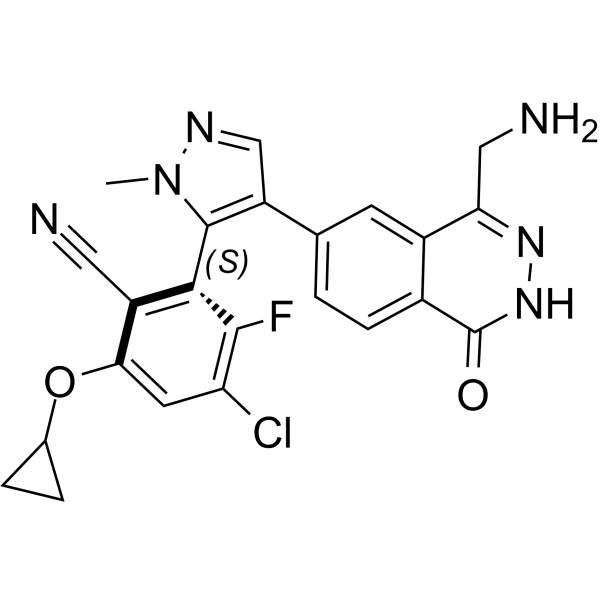 0 ImagesSynonyms: (S)-MRTX-1719; (S)-BMS-986504(S)-Navlimetostat (example 16-7) is the S-enantiomer of Navlimetostat. (S)-Navlimetostat is a PRMT5/MTA complex inhibitor, with an IC50 of 7070 nM.



